Ines Neumann · 2 September 2026
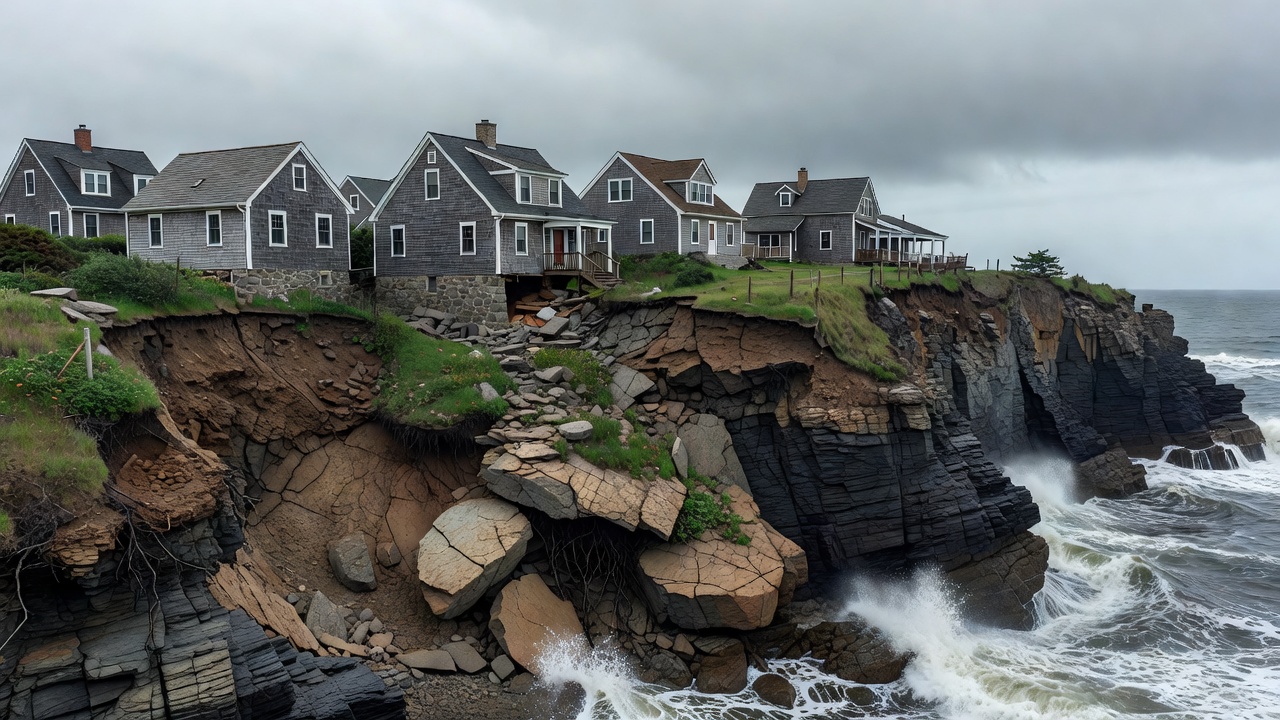
Coastal erosion is posing a significant threat to homes situated on cliff tops in Maine. Over the past decade, increased storm activity and rising sea levels have led to substantial land loss along the state's shoreline. Property owners in communities such as Ogunquit and Kennebunkport are witnessing their backyards disappear at alarming rates, prompting urgent calls for action from local authorities and environmental experts. Recent surveys indicate that some cliff edges have receded by more than 20 feet since 2015, placing structures in immediate danger during high tide events.
The Science Behind Cliff Erosion
Geologists explain that Maine's cliffs, composed primarily of glacial till and bedrock, are particularly vulnerable to wave action. During high tides and storms, waves erode the base, causing upper sections to collapse. Data from satellite imagery and ground surveys show an average retreat rate of 1 to 3 feet per year in exposed areas. This process is exacerbated by climate change, with ocean temperatures in the region rising faster than the global average. As a result, more intense weather events are becoming common, accelerating the natural erosion cycle. Homeowners have invested in various protective measures, including riprap and retaining walls, but these solutions often provide only temporary relief and can lead to unintended consequences like increased erosion elsewhere along the coast. Monitoring programs now track sediment movement and cliff stability using drones and sensors to predict future risks more accurately.
Implications for Residents and Landscapes
The threat extends beyond individual properties to the broader cliff top landscapes that define Maine's coastal identity. Loss of land affects wildlife habitats and scenic views that attract tourists. Real estate values in affected zones have begun to decline, and insurance companies are reevaluating coverage for high-risk areas. Community meetings have focused on potential relocation strategies and the development of early warning systems using advanced monitoring technology. While some advocate for hard engineering solutions, others push for softer approaches that work with natural processes. The situation highlights the need for balanced policies that protect both human settlements and the environment. Continued research and funding will be essential to address this growing challenge effectively, ensuring the preservation of these unique landscapes for future generations.